Journalism Podcasts12 picksUpdated June 2025

Journalism Podcasts That Do the Reporting

From daily news to long investigations. The shows where reporters did original work before they opened a microphone.

Journalism podcasting covers a wide range of ambitions: daily briefings, investigative series, beat reporting, data journalism, and narrative longform. The common thread in the best of the genre is that something was actually reported before the episode was made. Sources contacted, documents obtained, questions asked of people who'd rather not answer.

The distinction that matters in this space is between shows built on original reporting and shows built on aggregating and analyzing existing coverage. Both are legitimate, but they're different products with different values. The shows here lean toward the former.

For creators, journalism podcasting demonstrates that access is the scarce resource in the information economy. Anyone can have opinions about news. Far fewer can put a reporter on the phone with the person who actually made the decision.

How we chose these shows

  • Original reporting with first-hand sources, documents, or on-the-record interviews
  • Transparency about methodology, sourcing, and what is known versus inferred
  • Public interest justification for the investigation or coverage
  • Production quality that respects the listener's need to understand complex information
The Daily
#1
Daily News

The Daily

Hosted by Michael Barbaro

The New York Times' The Daily is the most-listened-to news podcast in America, using Times reporters embedded in beats for weeks or months to explain the stories that matter with a depth that daily news broadcasts can't match.

Why listen as a creator

The Daily demonstrates what institutional journalism produces in podcast form. The show's access comes from the Times' reporter relationships, and the ability to put the journalist who broke a story in the room with Barbaro produces explanations of why things happened that commentary shows can only speculate about.

Serial
#2
Investigative Journalism

Serial

Hosted by Sarah Koenig

Serial pioneered the serialized journalism podcast format, combining long-form criminal justice investigation with narrative storytelling that built a mass audience for serious reporting, demonstrating what the format could do at its most ambitious.

Why listen as a creator

Serial demonstrates that journalism is most compelling when the reporter's process of investigation is visible. Koenig's uncertainty, her dead ends, her evolving understanding are part of the story in a way that polished finished journalism never achieves.

Reveal
#3
Data Journalism

Reveal

Hosted by Center for Investigative Reporting

The Center for Investigative Reporting's Reveal applies data journalism and long-term investigation to systemic failures in housing, immigration, healthcare, and criminal justice, with the nonprofit independence that commercial news organizations struggle to maintain.

Why listen as a creator

Reveal demonstrates that data journalism is most powerful when it's combined with narrative. The patterns that datasets reveal become comprehensible and consequential when individuals whose lives are shaped by those patterns tell their stories alongside the numbers.

NPR Politics Podcast
#4
Political Journalism

NPR Politics Podcast

Hosted by Various NPR correspondents

NPR's Politics Podcast brings the network's White House, congressional, and state house correspondents together for regular reporting conversations that surface what journalists are hearing on the beats that don't make it into individual stories.

Why listen as a creator

NPR Politics Podcast demonstrates what collective beat journalism produces when reporters are allowed to share what they're hearing before it crystallizes into a finished story. The conversations between correspondents surface institutional knowledge that individual stories can't capture.

Embedded
#5
Narrative Journalism

Embedded

Hosted by Kelly McEvers

NPR's Embedded takes a single news story and follows it much deeper than daily journalism can go, with months of reporting applied to subjects that deserve more than the standard news-cycle treatment.

Why listen as a creator

Embedded demonstrates that the news cycle's declaration that a story is over is almost always premature. The stories that look finished from the surface of daily coverage are frequently still open when you spend months reporting them, and the difference between surface and depth is what Embedded consistently reveals.

Radiolab
#6
Science Journalism

Radiolab

Hosted by Lulu Miller and Latif Nasser

WNYC's Radiolab applies narrative journalism techniques to science, philosophy, and human experience, producing audio journalism that makes complex ideas emotionally resonant without sacrificing accuracy.

Why listen as a creator

Radiolab demonstrates that science journalism is most effective when it's structured as story rather than explanation. The emotional arc that Radiolab builds around scientific ideas makes the ideas memorable in a way that accurate but non-narrative science communication rarely achieves.

Planet Money
#7
Economic Journalism

Planet Money

Hosted by Various NPR correspondents

NPR's Planet Money applies narrative journalism to economics, explaining how money and markets shape every aspect of contemporary life through specific, character-driven stories that make abstract economic concepts concrete.

Why listen as a creator

Planet Money demonstrates that economics journalism is most useful when it's grounded in specific examples rather than abstract principles. The show's habit of finding the one person or situation that makes a macroeconomic concept visible produces economic literacy that standard news coverage doesn't.

The Indicator from Planet Money
#8
Daily Economics

The Indicator from Planet Money

Hosted by Various NPR correspondents

The Planet Money spinoff covers a single economic story each day in under ten minutes, applying the same narrative approach as the parent show to the economic data and events driving the news cycle.

Why listen as a creator

The Indicator demonstrates what focused brevity produces in journalism podcasting. The constraint of one economic story in under ten minutes forces the kind of clarity about what actually matters in a given data release or market movement that longer formats often obscure.

Throughline
#9
Historical Journalism

Throughline

Hosted by Rund Abdelfatah and Ramtin Arablouei

NPR's Throughline finds the historical roots of current events, producing journalism that answers the question of why things are the way they are now rather than simply describing what is happening.

Why listen as a creator

Throughline demonstrates that the most useful journalism is the journalism that provides historical context. Understanding why a situation exists is more valuable than understanding that it exists, and Throughline's consistent historical grounding makes contemporary news more intelligible than coverage that treats every event as unprecedented.

Sway
#10
Technology and Power

Sway

Hosted by Kara Swisher

Kara Swisher's Sway interviews technology leaders, politicians, and cultural figures with the confrontational preparation of a journalist who has been covering the intersection of technology and power for three decades.

Why listen as a creator

Sway demonstrates that journalism access enables interview depth that pure curiosity cannot. Swisher's decades of reporting relationships, and the accountability her knowledge of public record creates, produces conversations that are more revealing than interviews conducted without that institutional history.

Dolly Parton's America
#11
Cultural Journalism

Dolly Parton's America

Hosted by Jad Abumrad

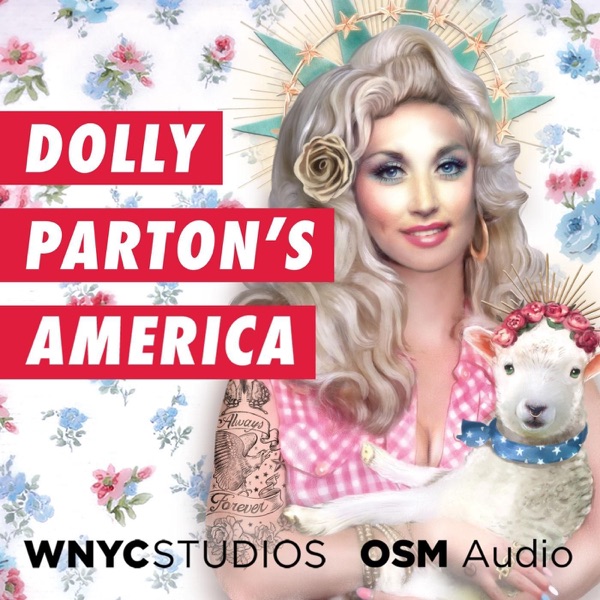
WNYC's Dolly Parton's America uses Dolly Parton as a lens for examining American identity, class, race, and politics, demonstrating that cultural journalism done well is as revealing about a society as any political or economic reporting.

Why listen as a creator

Dolly Parton's America demonstrates that the most revealing journalism is sometimes the journalism conducted through the most unlikely subject. Using Parton as a framework forces a reckoning with American contradictions that political journalism, which addresses those contradictions directly, consistently fails to produce.

No Compromise
#12
Investigative Journalism

No Compromise

Hosted by Jim Moseley

No Compromise's investigation into the radicalization of the American gun rights movement produced original reporting on organizations and individuals that mainstream media had not covered, demonstrating what independent investigative journalism can accomplish outside large institutions.

Why listen as a creator

No Compromise demonstrates that investigative journalism is a methodology accessible to small and independent operations, not just large institutions. The show's ability to develop sources inside movements that mainstream media hadn't penetrated produced reporting that changed the public understanding of its subject.

Ready to start?

Record your first podcast with Hilite

Free tools, AI audio, one workflow.

Start free