Lex Fridman12 picksUpdated June 2025

The Lex Fridman Podcast: Best Episodes to Start With

Three-hour conversations with the world's most interesting people. The episodes where Lex Fridman's long-form format produces something genuinely memorable.

The Lex Fridman Podcast runs long. Most episodes are two to four hours. That length is the format's primary feature and its primary demand on the listener. The episodes that justify it are the ones where guest and host reach territory that shorter conversations can't access: the guard comes down, the tangents turn out to be the real subject, or the cumulative time produces a level of disclosure that ninety minutes wouldn't permit.

Fridman's guest list spans AI researchers, physicists, historians, athletes, comedians, politicians, and philosophers. The episodes here are selected for what they produced in the format rather than the fame of the guest — though many of Fridman's most-shared episodes feature extremely well-known names who said something in this format that they hadn't said elsewhere.

For creators, the Lex Fridman Podcast demonstrates that extreme long-form content builds a specific kind of audience loyalty that other formats don't: listeners who have spent twenty hours with you have a relationship with you that the listener who has consumed twenty separate thirty-minute episodes doesn't develop in the same way.

How we chose these shows

  • Episodes where the long-form format produces something the guest clearly hadn't said in shorter conversations
  • Guest expertise that gives Fridman's technical questions a substantive answer rather than a simplified one
  • A conversation arc that develops across the full episode rather than covering a list of topics
  • Moments that the listener will return to or share — the specific insight, admission, or exchange that makes an episode memorable
Elon Musk Episodes
#1
Tech and Business

Elon Musk Episodes

Hosted by Lex Fridman

Elon Musk's multiple appearances on the Lex Fridman Podcast include some of the most candid conversations Musk has given in any format, with Fridman's genuine curiosity and the format's length producing disclosures that press interviews and shorter conversations haven't.

Why listen as a creator

The Musk episodes demonstrate that repeated appearances on the same show produce different conversations than one-time interviews. Fridman and Musk's familiarity, built across multiple visits, allows the later conversations to skip past the introductory material that new interviewers always revisit and go directly to the places where Musk's thinking is less settled and more revealing.

Joe Rogan Episode
#2
Media and Culture

Joe Rogan Episode

Hosted by Lex Fridman

Lex Fridman's conversation with Joe Rogan is notable for being one of the few times Rogan is the interviewee rather than the interviewer, with Fridman's approach producing a different quality of conversation from the one Rogan has with his own guests.

Why listen as a creator

The Rogan episode demonstrates that genre reversal — turning a famous interviewer into an interviewee — produces content that neither party's regular format allows. Rogan's answers to Fridman's questions about his own process, his fears, and his motivations are more reflective than the outward-facing commentary that Rogan's own format produces.

Jordan Peterson Episodes
#3
Psychology and Philosophy

Jordan Peterson Episodes

Hosted by Lex Fridman

Jordan Peterson's conversations with Lex Fridman span psychology, religion, political theory, and personal history across episodes that give Peterson's thinking more development time than his shorter media appearances allow.

Why listen as a creator

The Peterson episodes demonstrate that controversial intellectual figures produce their most substantive content when a host gives them time to develop arguments rather than summarizing or debating them. Fridman's willingness to follow Peterson through long philosophical sequences, rather than cutting them short with challenges, produces the clearest statement of Peterson's actual positions available in any audio format.

Sam Harris Episodes
#4
Neuroscience and Philosophy

Sam Harris Episodes

Hosted by Lex Fridman

Sam Harris's conversations with Lex Fridman cover consciousness, free will, AI, meditation, and political epistemology with a depth that their mutual willingness to follow an argument wherever it leads produces.

Why listen as a creator

The Harris episodes demonstrate that two intellectuals who genuinely disagree on specific questions, but share a commitment to following arguments to their conclusions, produce more interesting conversation than agreement or opposition alone. Harris and Fridman's different views on consciousness and free will generate productive friction that the format's length allows to develop fully.

Roger Penrose Episode
#5
Mathematics and Physics

Roger Penrose Episode

Hosted by Lex Fridman

Physicist and mathematician Roger Penrose's Lex Fridman Podcast conversation covers consciousness, quantum mechanics, and the nature of mathematical truth in a way that Penrose's age and Fridman's genuine curiosity about the most difficult questions in physics makes uniquely candid.

Why listen as a creator

The Penrose episode demonstrates that Fridman's format is most valuable with guests who have spent decades working on specific hard problems and whose thinking has reached conclusions that younger researchers haven't yet. Penrose's views on consciousness and physics are heterodox, deeply developed, and most fully expressed in long-form conversation rather than paper or lecture.

Noam Chomsky Episodes
#6
Linguistics and Political Philosophy

Noam Chomsky Episodes

Hosted by Lex Fridman

Noam Chomsky's conversations with Lex Fridman cover linguistics, the nature of language and mind, political philosophy, and history of US foreign policy with a depth that Chomsky's willingness to speak at length about his actual research provides.

Why listen as a creator

The Chomsky episodes demonstrate that a guest's willingness to go into technical depth, rather than the more simplified versions of their ideas they've made accessible for general audiences, is what the Fridman format's length is designed to enable. Chomsky's technical linguistics thinking appears in this format in ways it doesn't in his public political writing.

Andrei Karpathy Episode
#7
Artificial Intelligence

Andrei Karpathy Episode

Hosted by Lex Fridman

Former Tesla AI director and OpenAI researcher Andrei Karpathy's conversation with Lex Fridman covers the state of AI development with the technical specificity that Fridman's own AI research background allows him to pursue.

Why listen as a creator

The Karpathy episode demonstrates that Fridman's technical background in AI produces a qualitatively different category of AI conversation than generalist interviews with the same guests. Fridman and Karpathy can discuss gradient descent, transformer architecture, and the technical reality of current AI capabilities with specificity that serves the technically literate listener that most AI podcasting doesn't adequately address.

Vladimir Putin Episode
#8
Geopolitics

Vladimir Putin Episode

Hosted by Lex Fridman

Lex Fridman's interview with Vladimir Putin is among the most notable political interviews of recent years, notable for the access itself and for the specific questions Fridman chose to ask given that access.

Why listen as a creator

The Putin episode demonstrates that interview access to figures who rarely speak to Western journalists can produce content that is valuable regardless of the interviewee's candor. Putin's answers reveal both what he's willing to say and what he's unwilling to say, and both are informative about his thinking and the political calculations behind his communication strategy.

Mark Zuckerberg Episodes
#9
Technology and Society

Mark Zuckerberg Episodes

Hosted by Lex Fridman

Mark Zuckerberg's multiple Lex Fridman Podcast appearances have produced some of the most candid conversations Zuckerberg has given, with the format's length and Fridman's technical fluency allowing questions that shorter media appearances don't reach.

Why listen as a creator

The Zuckerberg episodes demonstrate that Fridman's genuine personal engagement with his guests — including training with Zuckerberg in jiu-jitsu — produces conversations where subjects are more willing to discuss uncertainty and failure than they are in formal media contexts. Zuckerberg's willingness to talk about what hasn't worked at Meta, what he regrets, and what he doesn't know is more available in this format than in quarterly earnings calls or congressional hearings.

Yuval Noah Harari Episode
#10
History and Future

Yuval Noah Harari Episode

Hosted by Lex Fridman

Historian Yuval Noah Harari's conversation with Lex Fridman covers the narrative frameworks behind human civilization's development and the specific threats that AI and biotechnology pose to those frameworks.

Why listen as a creator

The Harari episode demonstrates that the Fridman format serves historians and social theorists differently than it serves scientists: where scientists go deeper into technical specifics, historians can use the extended time to construct the kind of long historical argument that their books make but that shorter media appearances necessarily truncate. Harari's thinking about what AI does to the narrative structures of human civilization is better developed in this format than in his public talks.

Jocko Willink Episode
#11
Leadership and Military

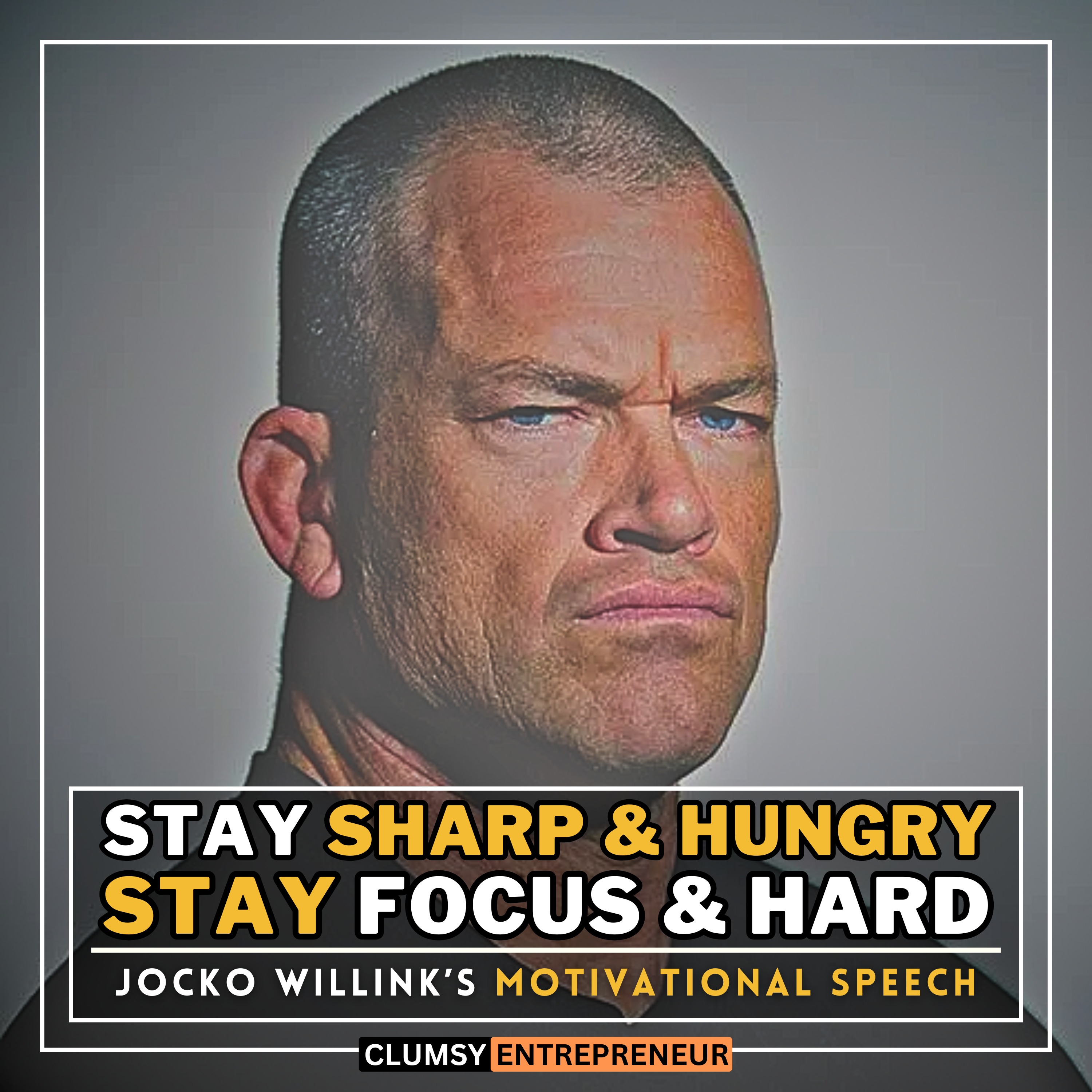
Jocko Willink Episode

Hosted by Lex Fridman

Former Navy SEAL commander Jocko Willink's conversation with Lex Fridman covers leadership, violence, discipline, and the specific psychological training that prepares people for life-threatening decisions.

Why listen as a creator

The Jocko episode demonstrates that conversations about violence and extreme experience are most honest in long-form format because the kind of operational specificity that makes them valuable requires time. Willink's descriptions of combat decisions, leadership failures, and the psychology of extreme discipline are more complete in Fridman's format than in any book chapter or conference talk.

Jeff Bezos Episode
#12
Business and Space

Jeff Bezos Episode

Hosted by Lex Fridman

Jeff Bezos's Lex Fridman Podcast conversation covers Amazon's origins, Blue Origin's ambitions, and the specific reasoning behind Bezos's long-term thinking about civilization's future in space with a candor that more adversarial interview formats don't produce.

Why listen as a creator

The Bezos episode demonstrates that Fridman's non-adversarial approach produces candid conversation about long-term thinking that adversarial formats don't reach. Bezos's explanation of why he believes humanity must become multi-planetary, and the specific reasoning behind his timelines and methods, is more fully developed in this format than in any public speech or shareholder letter.

Ready to start?

Record your first podcast with Hilite

Free tools, AI audio, one workflow.

Start free