Podcast Documentaries12 picksUpdated June 2025

Podcast Documentaries Worth the Full Listen

Audio journalism with cinematic ambition. Long-form storytelling that uses the podcast format to do what radio and film can't do alone.

The podcast documentary is a distinct form with its own strengths: the intimacy of audio, the depth of long-form journalism, and the freedom from broadcast constraints that made public radio storytelling feel rushed. The best examples are complete works of journalism and craft that happen to arrive through headphones.

What makes a podcast documentary great is intention at every level: the structure, the sound design, the pacing, the choice of what to include and exclude. The shows here are built, not just recorded. That distinction is visible in the final product.

For creators, the documentary form demonstrates that production investment pays back in ways that conversational formats don't. The time spent on structure, field recording, and edit produces content that functions as a genuine body of work rather than a content stream.

How we chose these shows

  • Intentional narrative architecture rather than accumulated material
  • Sound design and production that serves the story
  • A clear editorial argument, not just a collection of interesting facts
  • The completeness of a finished work rather than an ongoing series
S-Town
#1
Literary Documentary

S-Town

Hosted by Brian Reed

S-Town is the defining achievement of the podcast documentary form: a seven-episode work released all at once that begins as a murder investigation and becomes a portrait of an extraordinary man, made with literary intentionality at every level.

Why listen as a creator

S-Town demonstrates what it looks like when a journalist brings literary ambition to audio documentary. The structure, the characters, the themes of time and place and genius are crafted rather than found. That's the standard.

Serial
#2
Investigative Documentary

Serial

Hosted by Sarah Koenig

Serial's first season proved that podcast documentary could command a mass audience through the sustained narrative power of a long-form investigation, making weekly documentary audio a format rather than an experiment.

Why listen as a creator

Serial demonstrates what happened when long-form investigative journalism found a format that could hold its complexity. The investigation required more time and space than any conventional journalism format would provide, and the podcast form gave it both.

Dirty John
#3
Narrative True Crime Documentary

Dirty John

Hosted by Los Angeles Times

The Los Angeles Times' documentary about a con man who destroyed a family demonstrates how print journalism reporting can be adapted into audio documentary without losing the depth and rigor that the original investigation required.

Why listen as a creator

Dirty John demonstrates how audio adds dimension to investigative journalism. The reporter's voice, the sound of court recordings, the texture of the environment all contribute to understanding that print can describe but audio can deliver.

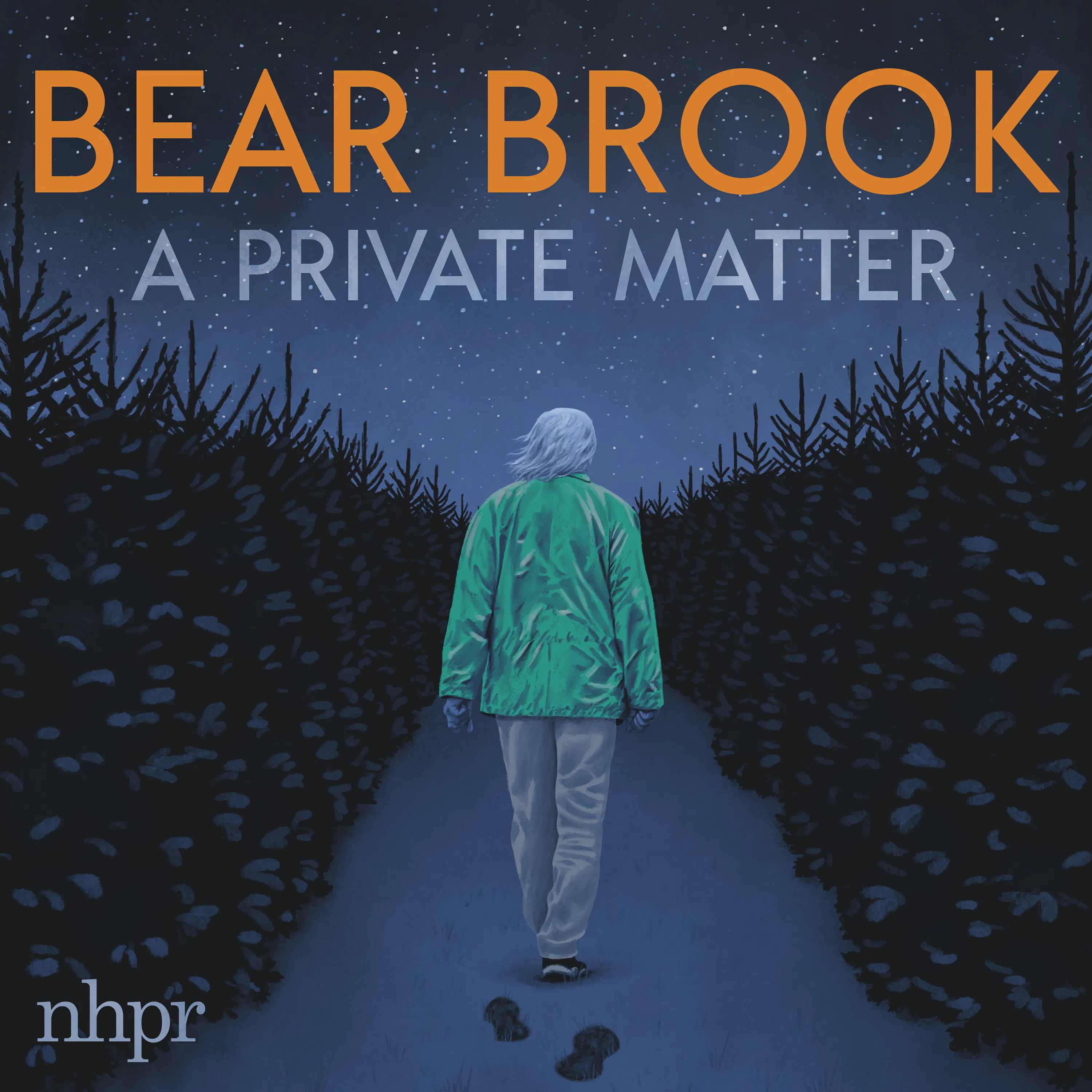
Bear Brook
#4
Cold Case Documentary

Bear Brook

Hosted by New Hampshire Public Radio

Bear Brook is the best example of a podcast documentary that was itself part of the investigation it was documenting, using the publication of episodes to surface new witnesses and evidence in a decades-old cold case.

Why listen as a creator

Bear Brook demonstrates that podcast documentary can be a journalistic tool rather than just journalism about events that already happened. The show's publication was part of the investigation, and the story changed because of it.

In the Dark Season 2
#5
Criminal Justice Documentary

In the Dark Season 2

Hosted by Madeleine Baran

APM Reports' Season 2 of In the Dark is the most consequential podcast documentary ever made: its investigation of Curtis Flowers' six trials for the same murder directly contributed to the prosecution's decision to drop the case.

Why listen as a creator

In the Dark Season 2 demonstrates the upper limit of what podcast documentary can achieve. The combination of rigorous evidence, clear narrative, and publication with real consequences is the standard against which all investigative documentary should be measured.

Dr. Death
#6
Medical Documentary

Dr. Death

Hosted by Wondery

Wondery's investigation of a dangerous surgeon who continued operating despite documented harm demonstrates how narrative documentary can make a complex institutional story accessible without losing the detail that makes it credible.

Why listen as a creator

Dr. Death demonstrates how the documentary form handles complex institutional stories. The combination of character and systems reporting produces content that is both emotionally compelling and analytically rigorous in ways that either approach alone can't achieve.

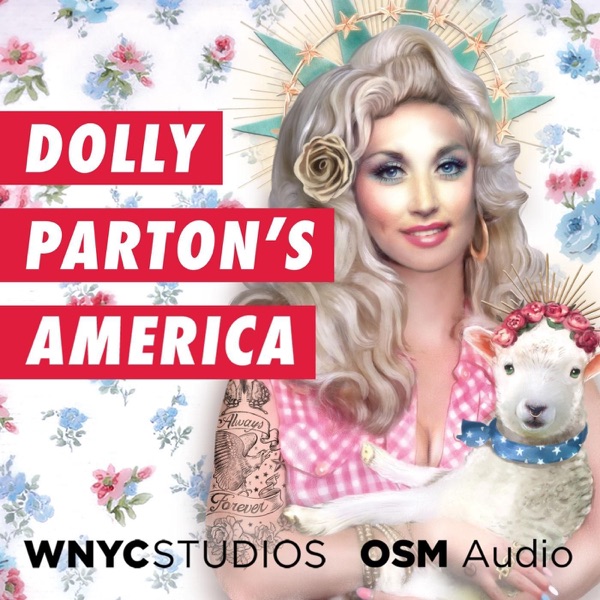
Dolly Parton's America
#7
Cultural Documentary

Dolly Parton's America

Hosted by Jad Abumrad

Jad Abumrad's documentary about what Dolly Parton means to America uses a single artist's career as a lens for examining class, gender, region, and the complex negotiations of American identity.

Why listen as a creator

Dolly Parton's America demonstrates the power of the particular as a gateway to the universal. The specificity of the subject is what makes the broader cultural analysis possible and credible. A generic cultural documentary about America would be far less illuminating.

Gangster Capitalism
#8
Institutional Documentary

Gangster Capitalism

Hosted by Michael Gibson-Light

Michael Gibson-Light's investigation of the college admissions scandal goes deeper than news coverage by examining the systemic conditions that made the scandal possible rather than just documenting what happened.

Why listen as a creator

Gangster Capitalism demonstrates that the most important documentary work is often the structural analysis that news coverage can't do in the moment. The show reveals why the college admissions system was vulnerable to manipulation, which is more valuable than cataloguing who cheated.

Believed
#9
Survivor-Centered Documentary

Believed

Hosted by Kate Wells and Lindsey Smith

Michigan Radio's Believed centers the testimony of Larry Nassar's survivors in its documentary about one of the largest sexual abuse cases in sports history, demonstrating how survivor-centered journalism changes what a documentary can say.

Why listen as a creator

Believed demonstrates that centering survivor testimony rather than perpetrator narrative produces a categorically different documentary. The victims' experience of institutional betrayal is the story, and audio testimony delivers that experience more directly than any other format.

Somebody
#10
Identity Documentary

Somebody

Hosted by Rebecca Lavoie

New Hampshire Public Radio's documentary about a prison pen pal program and the relationships it formed uses correspondence and interview to build a documentary portrait of incarceration and identity that defies simple categorization.

Why listen as a creator

Somebody demonstrates how audio documentary handles complexity of character that would require visual shorthand in film. The extended time with voices allows the listener to build their own understanding of the people rather than accepting the director's framing.

Finding Cleo
#11
Family Documentary

Finding Cleo

Hosted by CBC Podcasts

CBC's documentary about the Sixties Scoop and one family's search for a sister taken by the child welfare system combines personal narrative with historical investigation to tell a story that is both intimate and systemic.

Why listen as a creator

Finding Cleo demonstrates that the most powerful documentary work often happens at the intersection of the personal and the historical. The individual search gives the systemic injustice a human scale that statistics and policy coverage can't produce.

Wind of Change
#12
Historical Mystery Documentary

Wind of Change

Hosted by Patrick Radden Keefe

Patrick Radden Keefe's investigation into whether the CIA wrote the Scorpions' Wind of Change uses a genuinely absurd premise to examine Cold War history, propaganda, and the relationship between culture and geopolitics.

Why listen as a creator

Wind of Change demonstrates how a specific question that sounds like a joke can open onto genuinely important historical territory. The documentary's willingness to take its strange question seriously enough to investigate it properly produces history that more serious-sounding investigations miss.

Ready to start?

Record your first podcast with Hilite

Free tools, AI audio, one workflow.

Start free