Essential Episodes12 picksUpdated June 2025

The Greatest Podcast Episodes Ever Made

The episodes that defined what podcasting can be. From every genre, every era of the medium's history. Start here if you're new to podcasting, or revisit them if you aren't.

Podcasting is twenty years old, and the medium's canon is still being established. Unlike film or music, where the greatest works have been discussed and debated for decades, podcast canon is still being actively contested — which is both the challenge and the opportunity of writing this list.

The episodes here are the ones that appear most often on the lists that people make when they're asked which podcast episodes they'd give someone who had never listened to a podcast before. They span genres, formats, and years. Some are famous, some less so outside their original audience. What they share is that they demonstrate something about what the medium can do that most podcasting doesn't.

For creators, the canon of great podcast episodes is the same thing that a film school's screening list is for filmmakers: not a definition of what you should make but a demonstration of what the medium has proven capable of. Understanding the ceiling raises what you aim for.

How we chose these shows

  • Episodes consistently cited across diverse podcast listener communities as essential
  • Episodes that demonstrate what the podcast format can do that other media can't
  • A range of genres and formats rather than overrepresentation of any single category
  • Episodes accessible to listeners who don't follow the show they came from
This American Life — 'The Psychopath' (Episode 436)
#1
Narrative Journalism

This American Life — 'The Psychopath' (Episode 436)

Hosted by Ira Glass

This American Life's episode on psychopathy in corporate America is among the most shared and most cited individual episodes of the medium's most influential narrative journalism show, demonstrating the personal essay and reported narrative format at its peak.

Why listen as a creator

This American Life Episode 436 demonstrates that the narrative journalism podcast reaches its highest form when it makes listeners understand a person who is difficult to understand by giving that person room to explain themselves. The episode's portrait of Bob Hare's work on corporate psychopathy produces a different understanding of corporate culture than policy analysis or business journalism can, because it starts from the human rather than the institutional.

Serial — 'The Alibi' (Season 1, Episode 1)
#2
Investigative Journalism

Serial — 'The Alibi' (Season 1, Episode 1)

Hosted by Sarah Koenig

The first episode of Serial Season 1 is the most culturally significant single episode in podcast history, introducing a format and an audience relationship that transformed the medium.

Why listen as a creator

Serial Episode 1 demonstrates that the investigative podcast's power is in sharing uncertainty rather than certainty. Koenig's opening — her description of genuinely not knowing what she thinks about Adnan Syed's guilt or innocence — created a new kind of podcast audience that returned each week not to be informed but to participate in an ongoing investigation. No other single podcast episode produced more podcast listeners.

Hardcore History — 'Prophets of Doom' (Episode 48)
#3
History

Hardcore History — 'Prophets of Doom' (Episode 48)

Hosted by Dan Carlin

Dan Carlin's six-hour exploration of the Münster Rebellion is the definitive example of the long-form solo historical podcast, demonstrating that a single voice with sufficient knowledge and passion can hold a listener for an entire day.

Why listen as a creator

Prophets of Doom demonstrates that the solo history podcast has no upper limit on length when the host's passion, knowledge, and storytelling skill are sufficient to sustain it. Carlin's six hours on the Münster Rebellion are not felt as six hours because the content justifies every minute — which is the promise of the long-form solo podcast format and the test that most long-form content fails.

S-Town — Chapter I
#4
Character Documentary

S-Town — Chapter I

Hosted by Brian Reed

The first chapter of S-Town is the greatest opening episode of any podcast, introducing John B. McLemore and Woodstock, Alabama in a way that makes the listener understand immediately that they are encountering something that podcasting hasn't done before.

Why listen as a creator

S-Town Chapter I demonstrates that the podcast format is capable of the same quality of character introduction as the best literary fiction — that audio journalism can make a listener fall in love with a person they've never met, through the accumulation of specific detail and the voice's own unguarded relationship with the subject. The episode sets a standard for character-driven audio journalism that has not been equaled.

Radiolab — 'Colors' (Season 7, Episode 5)
#5
Science Narrative

Radiolab — 'Colors' (Season 7, Episode 5)

Hosted by Jad Abumrad and Robert Krulwich

Radiolab's Colors episode demonstrates the show's audio production philosophy at its peak, using sound design, interview, and narration to give the listener the experience of encountering a scientific phenomenon rather than only understanding it.

Why listen as a creator

Radiolab Colors demonstrates that science podcasting can produce the experience of the scientific phenomenon itself rather than only description of it. The episode's production design around color experience — giving blind and sighted listeners different but equally valid experiences of the same content — demonstrates a level of intentionality about the relationship between audio and understanding that most podcast production doesn't reach.

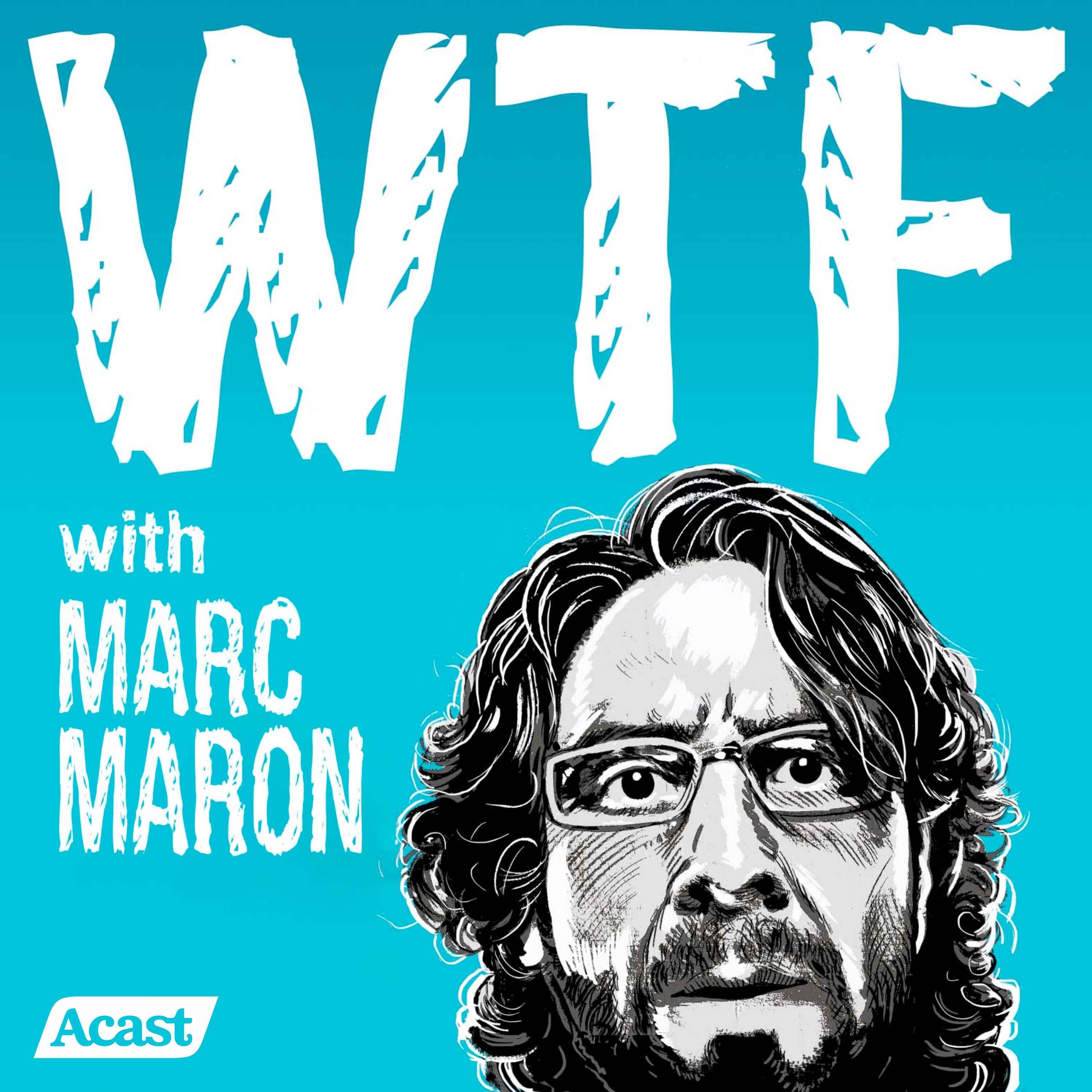
WTF with Marc Maron — President Obama
#6
Celebrity Interview

WTF with Marc Maron — President Obama

Hosted by Marc Maron

Marc Maron's interview with President Obama in Maron's garage is the most culturally significant celebrity interview episode in podcast history, both for its content and for what the format choice demonstrated about podcasting's position in culture.

Why listen as a creator

The Maron-Obama episode demonstrates that the podcast format had arrived as a cultural institution when a sitting president chose it for a candid, unmanaged conversation. Obama's willingness to say things in Maron's garage that his communication staff would have prevented in any other format — including using a racial epithet in an argument about racism — produced the most honest hour of his public communication as president.

99% Invisible — 'The Kowloon Walled City'
#7
Design and Place

99% Invisible — 'The Kowloon Walled City'

Hosted by Roman Mars

Roman Mars's episode on Kowloon Walled City is the definitive 99% Invisible episode, applying the show's method of revealing the designed and built world's hidden complexity to the most extreme example of unplanned urban density in modern history.

Why listen as a creator

99% Invisible Kowloon demonstrates that the design narrative podcast is most powerful when it uses a specific place or object to reveal something about how human beings organize space and life. The episode's portrait of Kowloon — a city within a city with its own water supply, electricity, and social order, existing outside any government's jurisdiction — produces a different understanding of what cities are than any urban theory produces.

The Moth Radio Hour — 'Squirrel'
#8
Personal Narrative

The Moth Radio Hour — 'Squirrel'

Hosted by Mike Birbiglia

Mike Birbiglia's Squirrel story from The Moth Radio Hour is the most cited individual Moth story, demonstrating the solo personal narrative podcast format at the level that stand-up comedy at its best achieves.

Why listen as a creator

Birbiglia's Squirrel demonstrates that the personal narrative podcast is most powerful when the story being told is genuinely embarrassing to tell — when the storyteller's willingness to be exposed is what creates the intimacy that makes the audience care. Birbiglia's story is funny because he is willing to be seen completely, which is the condition that personal narrative podcasting at its best creates.

Conan O'Brien Needs a Friend — Norm Macdonald
#9
Comedy Interview

Conan O'Brien Needs a Friend — Norm Macdonald

Hosted by Conan O'Brien

Conan O'Brien's conversation with Norm Macdonald is the greatest comedy podcast interview ever recorded, producing an hour that demonstrates what Macdonald was as a comedian and as a person in a way that his television appearances never did.

Why listen as a creator

The Conan-Norm episode demonstrates that the comedy podcast interview reaches its highest form when two people who know each other completely decide to be honest about comedy itself. The conversation reveals Macdonald's actual theory of comedy — what he thought was funny and why, which was different from what almost anyone else thought — in a way that his performances only implied. The episode has taken on additional significance since Macdonald's death.

Revisionist History — 'McDonald's Broke My Heart'
#10
Counterintuitive Essay

Revisionist History — 'McDonald's Broke My Heart'

Hosted by Malcolm Gladwell

Malcolm Gladwell's episode on McDonald's and the decline of cooking fat quality is the definitive Revisionist History episode, demonstrating the counterintuitive essay podcast at its most entertaining and most argued.

Why listen as a creator

McDonald's Broke My Heart demonstrates that the best podcast essay produces genuine disagreement rather than only assent. Gladwell's argument — that McDonald's decision to switch from beef tallow to vegetable oil produced one of the most significant culinary losses of the twentieth century — is so specific, so counterintuitive, and so earnestly argued that it remains the most debated episode of the show years after its release.

Hidden Brain — 'The Snowball Effect'
#11
Behavioral Science

Hidden Brain — 'The Snowball Effect'

Hosted by Shankar Vedantam

Hidden Brain's episode on social proof and conformity is the most cited individual Hidden Brain episode, demonstrating the behavioral science narrative podcast format at its most practically useful.

Why listen as a creator

The Snowball Effect demonstrates that behavioral science podcasting produces its most lasting impact when the research finding it covers changes how listeners understand a behavior they've already engaged in. The episode's explanation of why we follow others — and why the knowledge that we're doing it doesn't make us stop — is both counterintuitive and immediately recognizable, which is the combination that produces the understanding that changes behavior.

The Daily — 'The Last Days of Harvey Weinstein'
#12
Investigative News

The Daily — 'The Last Days of Harvey Weinstein'

Hosted by Michael Barbaro

The New York Times's Daily episode on Harvey Weinstein, produced during the initial reporting that broke the story publicly, is the defining news podcast episode of the #MeToo era and a demonstration of what daily news podcasting can accomplish at the intersection of breaking news and long-form journalism.

Why listen as a creator

The Daily's Weinstein episode demonstrates that daily news podcasting can produce historically significant journalism at the moment news is breaking rather than only reporting on history afterward. The episode's combination of the Times's investigative reporting and the Daily's narrative format produced the most widely listened-to single news podcast episode of the #MeToo era, reaching an audience that the newspaper alone couldn't.

Ready to start?

Record your first podcast with Hilite

Free tools, AI audio, one workflow.

Start free