Investigative Journalism12 picksUpdated June 2025

Investigative Journalism Podcasts That Break New Ground

Original reporting in audio form. The shows where the podcast is the investigation, not a summary of journalism done elsewhere.

Investigative journalism podcasting has a specific meaning that differentiates it from the larger category of true crime or documentary podcasting. Investigative journalism podcasting involves original reporting: sources that spoke to the podcast team, documents obtained through journalism work, and findings that weren't publicly known before the podcast published them. The show is the investigation, not a retelling of it.

The shows here meet that standard. They do the reporting rather than narrating what other reporters found. Some are from major newsrooms that bring their institutional resources to audio. Some are independent journalists whose podcast format gave them the freedom and audience to do work that traditional outlets didn't support. All of them changed what we know about their subjects.

For creators, investigative journalism podcasting demonstrates that the most durable podcast content is content that exists nowhere else. Entertainment content competes with an unlimited field of alternatives. Original reporting produces content that is, by definition, unique, and audiences who care about the subject have nowhere else to go.

How we chose these shows

  • Original reporting with sources, documents, and findings that weren't publicly known before the podcast
  • Journalistic methodology that meets professional standards for verification and source protection
  • A subject of genuine public significance rather than just entertainment value
  • A structure that uses audio's narrative capabilities to present the investigation rather than simply reading a print article aloud
Serial
#1
Criminal Justice Investigation

Serial

Hosted by Sarah Koenig

Serial's first season demonstrated that podcast format could conduct journalism that changed a legal case's trajectory, with Sarah Koenig's investigation of Adnan Syed's conviction producing new evidence and ultimately influencing the courts.

Why listen as a creator

Serial demonstrates that investigative journalism podcasting at its best affects the reality it's reporting on. Koenig's investigation wasn't just a narrative retelling of an old case — it was active reporting that produced new witnesses, new evidence, and legal proceedings that ultimately changed the outcome. The podcast was the investigation.

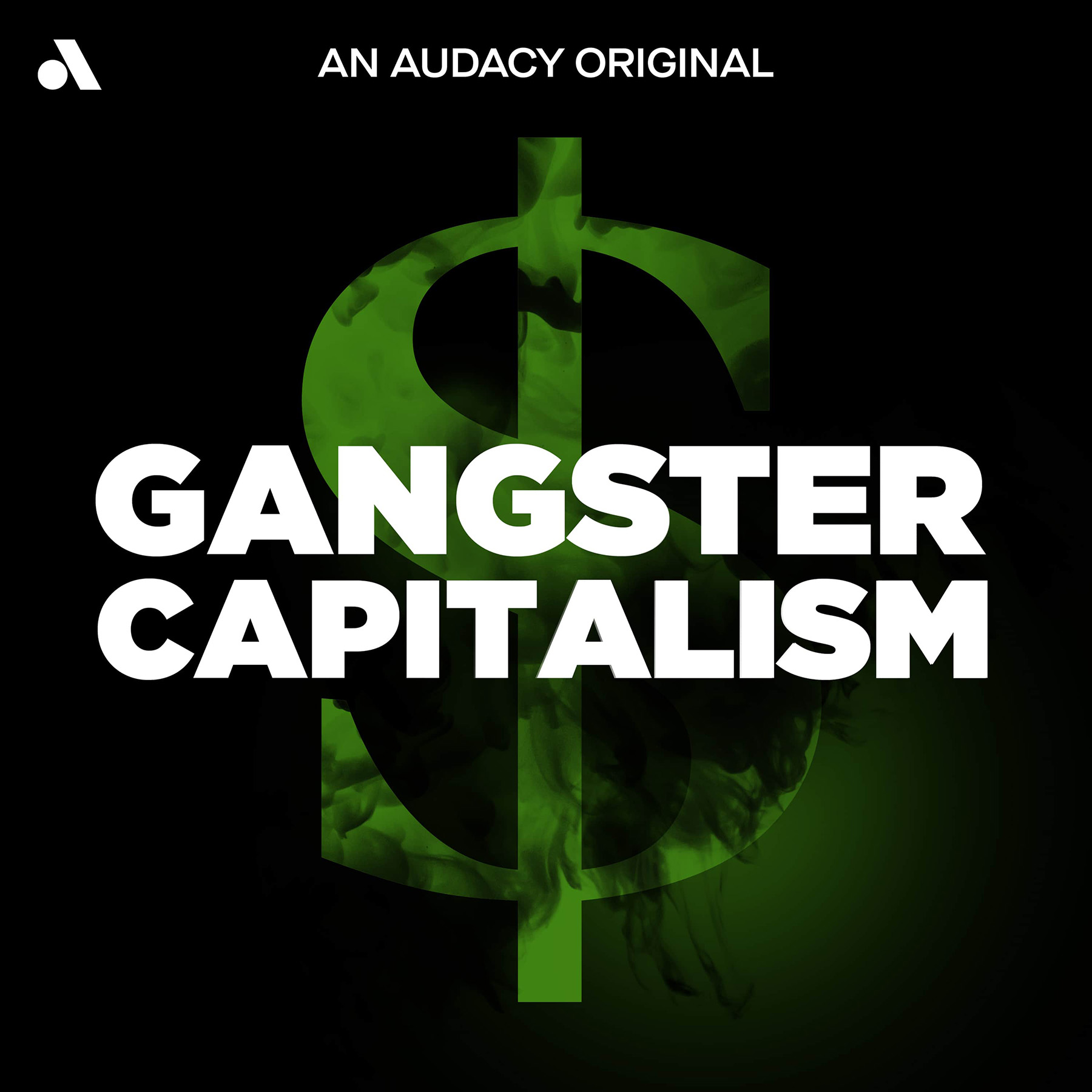
Gangster Capitalism
#2
Institutional Investigation

Gangster Capitalism

Hosted by Michael Hobbes and Peter Shamshiri

Gangster Capitalism's investigation of the college admissions scandal included original reporting on the systemic conditions that made the scandal possible, going beyond the surface-level coverage to produce findings about elite institution complicity that other outlets didn't.

Why listen as a creator

Gangster Capitalism demonstrates that investigative journalism podcasting can advance a story beyond what even comprehensive newspaper coverage achieved. The show's sustained focus on a single scandal allowed its reporters to follow threads that daily journalism's attention had moved away from, producing findings about how the scandal worked institutionally rather than just individually.

Believed
#3
Institutional Abuse Investigation

Believed

Hosted by Kate Wells and Lindsey Smith

Michigan Radio's Believed conducted original reporting on the Larry Nassar case that went beyond court documents to interview victims, institutional officials, and insiders who hadn't spoken to other media.

Why listen as a creator

Believed demonstrates that local journalism institutions can produce investigative podcast work that national outlets don't, when they have the community relationships and reporting time that national media doesn't develop for stories outside major media markets. Michigan Radio's proximity to the story and its relationships produced original testimony that the national coverage of the same events didn't.

Broken
#4
Corporate Accountability

Broken

Hosted by Various Wall Street Journal reporters

The Wall Street Journal's Broken podcast conducts original investigations into industries and companies that have failed the public, with the WSJ's reporting resources producing findings that smaller operations couldn't.

Why listen as a creator

Broken demonstrates that institutional journalism's resources — FOIA capabilities, legal support, source networks, and editor accountability — produce investigative podcast work that independent journalists can't replicate. The WSJ's reporting on healthcare pricing and pharmaceutical industry practices included document sets and source access that required the institution's full support.

In the Dark
#5
Criminal Justice Investigation

In the Dark

Hosted by Madeleine Baran

APM Reports' In the Dark conducted the most thorough examination of a criminal justice case in podcast history with its Curtis Flowers investigation, attending every court proceeding, interviewing every available witness, and ultimately contributing to a Supreme Court ruling.

Why listen as a creator

In the Dark demonstrates what investigative journalism podcasting looks like when a team spends years on a single case rather than months. Madeleine Baran's team's sustained investment in the Curtis Flowers case produced a record that affected a Supreme Court decision — evidence that the journalism changed an outcome rather than merely documented one.

Reveal
#6
Investigative News

Reveal

Hosted by Al Letson

The Center for Investigative Reporting's Reveal is the most sustained investigative journalism podcast operation in America, with a dedicated newsroom producing original investigations into immigration, the environment, housing, and corporate accountability.

Why listen as a creator

Reveal demonstrates what an investigative journalism podcast looks like when it's supported by a dedicated newsroom rather than produced as a companion to another operation. The Center for Investigative Reporting's full resources go into audio journalism that breaks news rather than documenting it.

Caliphate
#7
Foreign Correspondence Investigation

Caliphate

Hosted by Rukmini Callimachi

The New York Times' Caliphate demonstrated that foreign correspondence can produce investigative podcast journalism with primary sources and documents unavailable to any other journalist, with Callimachi's ISIS sources producing revelations across episodes.

Why listen as a creator

Caliphate demonstrates that investigative journalism podcasting's highest value comes from reporting access that no competitor has. Callimachi's years of ISIS source cultivation, her Arabic-language document acquisition, and her physical presence in the territory produced journalism that the audio format allowed her to present with the full context that print brevity couldn't.

Your Own Backyard
#8
Cold Case Investigation

Your Own Backyard

Hosted by Chris Lambert

Chris Lambert's independent investigation of Kristin Smart's disappearance produced original reporting that contributed to the eventual conviction of her killer, demonstrating that independent investigative journalism podcasting can affect case outcomes.

Why listen as a creator

Your Own Backyard demonstrates that independent investigative journalism podcasting, without institutional support, can produce consequential original reporting when the journalist has access and persistence that institutional media doesn't bring to cold cases. Lambert's sustained relationship with sources in the Smart case community produced tips and testimony that professional media had missed.

Embedded
#9
Narrative News Investigation

Embedded

Hosted by Kelly McEvers

NPR's Embedded takes a specific news story and investigates it in depth, using original reporting to go beyond the initial news coverage to understand what actually happened and why.

Why listen as a creator

Embedded demonstrates that investigative journalism podcasting can work as a companion to ongoing news coverage rather than exclusively as long-form investigation. McEvers's team's willingness to go back to stories that the news cycle has moved past — with new reporting — produces journalism that the original coverage couldn't complete on deadline.

Dr. Death
#10
Medical Investigation

Dr. Death

Hosted by Laura Beil

Laura Beil's Dr. Death combined original reporting on Christopher Duntsch with investigation of the medical board and hospital systems that failed to stop him, producing findings about medical oversight that hadn't been publicly documented.

Why listen as a creator

Dr. Death demonstrates that investigative journalism podcasting can use a single individual's story to produce systemic journalism. Beil's reporting on Duntsch's patients, his medical records, and the institutional decisions that allowed him to continue practicing documented failures in medical oversight that the story's true crime surface concealed.

Wind of Change
#11
Intelligence Investigation

Wind of Change

Hosted by Patrick Radden Keefe

Patrick Radden Keefe's investigation into whether the CIA wrote the Scorpions' song produced original reporting from intelligence community sources that the CIA itself neither confirmed nor denied, representing investigative journalism into subjects that resist traditional documentation.

Why listen as a creator

Wind of Change demonstrates that investigative journalism podcasting can produce valuable journalism even when the central question remains officially unanswered. Keefe's reporting on the intelligence community's use of culture as a Cold War tool produced original sources and documents even without a definitive answer, and that partial record is itself a journalism achievement.

Stolen: Surviving St. Michael's
#12
Indigenous Justice Investigation

Stolen: Surviving St. Michael's

Hosted by Connie Walker

Connie Walker's investigation into abuse at a Canadian residential school produced original reporting from survivors and documents that the institution's official records obscured, contributing to the broader documentation of residential school harms.

Why listen as a creator

Stolen demonstrates that investigative journalism podcasting can serve communities whose stories have been systematically underdocumented by mainstream media. Walker's Indigenous background and her community relationships produced testimony from survivors who hadn't spoken to institutional media, and the podcast's audience brought attention to ongoing accountability efforts that official processes had stalled.

Ready to start?

Record your first podcast with Hilite

Free tools, AI audio, one workflow.

Start free