Pop Culture12 picksUpdated June 2025

Pop Culture Podcasts That Know the Difference Between Coverage and Analysis

TV, film, music, celebrity, and the conversation around all of it. The shows that have opinions rather than just updates.

Pop culture podcasting is the most crowded category in the medium, which means the quality range is the widest. At the low end, pop culture podcasting is recapping what happened in entertainment news this week with reactions rather than analysis. At the high end, it's treating the things people actually watch, listen to, and talk about as worthy of the same critical attention that books and fine art receive.

The shows here sit at the high end of that range. Their hosts have developed genuine critical frameworks for thinking about popular culture rather than simply reacting to it. They're opinionated in ways that help listeners develop their own opinions rather than replace them.

For creators, pop culture podcasting demonstrates that the most durable shows in the category are the ones that have a clear critical position rather than an encyclopedic commitment to covering everything. Covering everything means competing with every other pop culture podcast. Having a position means building an audience that specifically wants your take.

How we chose these shows

  • A clear critical perspective rather than comprehensive coverage of everything that happened this week
  • Opinions that are specific enough to be wrong, not just evaluative enough to be safe
  • Cultural analysis that connects individual pop culture events to broader patterns and meanings
  • A consistent host relationship that the listener wants to listen to rather than simply information they need
How Long Gone
#1
Culture and Taste

How Long Gone

Hosted by Chris Black and Jason Stewart

Chris Black and Jason Stewart's How Long Gone covers fashion, music, film, and the general texture of contemporary culture from the perspective of two people who have spent careers inside multiple creative industries and who have genuine, developed taste.

Why listen as a creator

How Long Gone demonstrates that the most useful pop culture podcasting is produced by hosts who have taste rather than hosts who have opinions about everything. The difference is that taste is built from extended engagement with specific domains, which produces analysis that can place individual cultural events in a wider context that reaction-based content can't access.

Pop Culture Happy Hour
#2
General Pop Culture

Pop Culture Happy Hour

Hosted by Linda Holmes and various NPR staff

NPR's Pop Culture Happy Hour applies journalism's analytical standards to film, television, music, and books with a rotating roster of critics who have developed positions on popular culture rather than just reactions to it.

Why listen as a creator

Pop Culture Happy Hour demonstrates that public radio's commitment to considered analysis rather than hot takes produces pop culture coverage that remains useful longer than content built on the news cycle. The show's reviews and discussions treat the movies and shows they're covering as objects worth sustained attention rather than content to be processed and moved past.

The Ringer's The Big Picture
#3
Film and Television

The Ringer's The Big Picture

Hosted by Sean Fennessey and Amanda Dobbins

The Ringer's The Big Picture covers film with the specific combination of industry knowledge, cultural history, and genuine critical opinion that the best film podcasting requires.

Why listen as a creator

The Big Picture demonstrates that film podcasting is most useful when the hosts know enough about how films get made to discuss the gap between what a film is trying to do and what it actually does. Fennessey and Dobbins's industry knowledge means their reviews go past plot and surface aesthetics into the decisions that produced the film, which is the information that helps listeners understand why a movie works or doesn't.

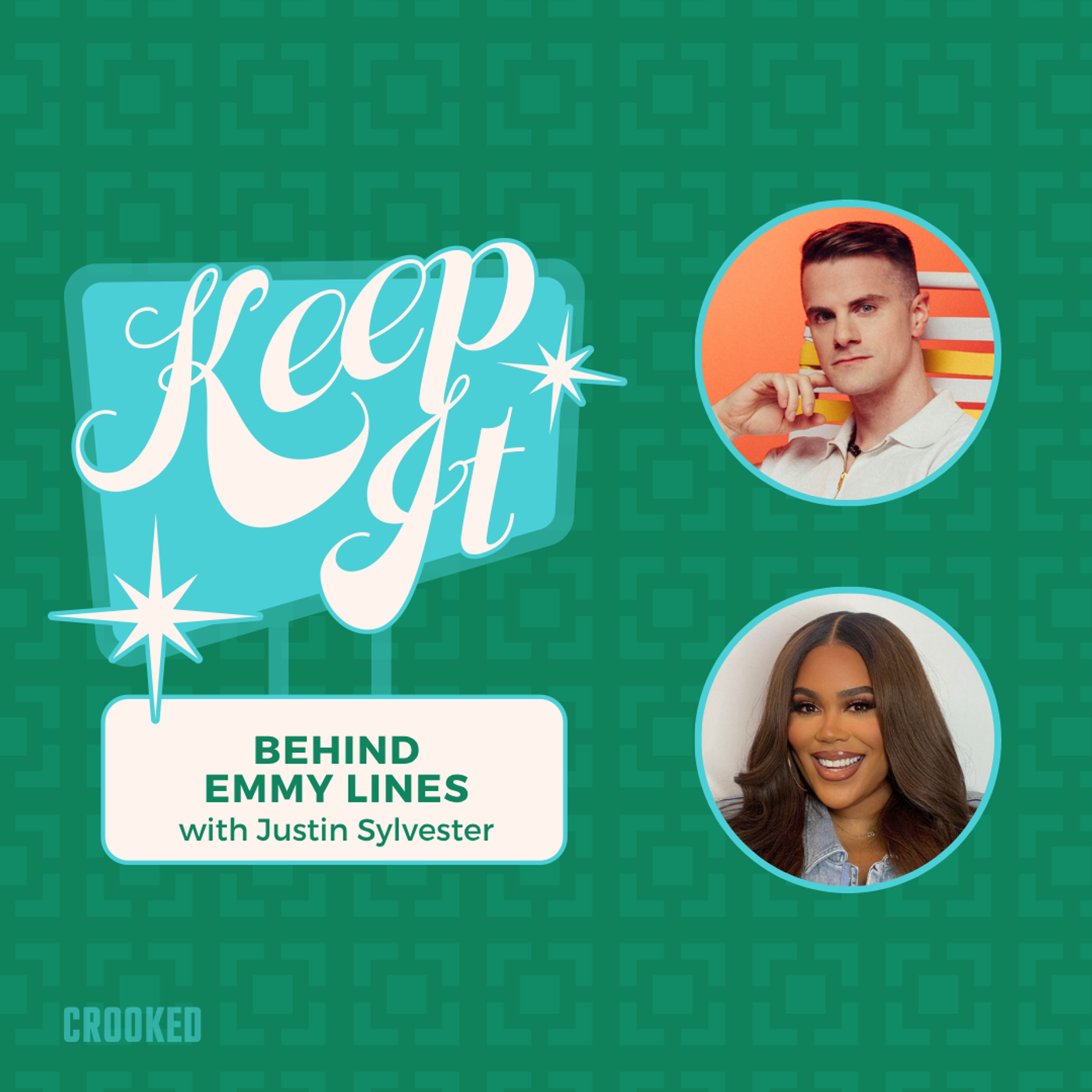
Keep It!
#4
Pop Culture with Wit

Keep It!

Hosted by Ira Madison III and Louis Virtel

Ira Madison III and Louis Virtel's Keep It! covers pop culture with the speed, wit, and cultural specificity that makes the show compulsory listening for an audience that takes popular culture seriously without taking itself too seriously.

Why listen as a creator

Keep It! demonstrates that the best pop culture podcasting combines deep knowledge with genuine humor rather than treating cultural analysis as a solemn activity. Madison and Virtel's ability to be both very funny and very specific about what they're observing in culture — about a pop star's career strategy, a prestige television choice, or a celebrity's public behavior — produces content that is more honest than either pure critical analysis or pure comedic reaction.

Switched On Pop
#5
Music Analysis

Switched On Pop

Hosted by Nate Sloan and Charlie Harding

Musicologist Nate Sloan and songwriter Charlie Harding's Switched On Pop analyzes the music theory, production techniques, and cultural context behind popular songs, treating pop music with the analytical attention that classical music criticism receives.

Why listen as a creator

Switched On Pop demonstrates that music theory applied to pop music produces insights that neither casual listening nor conventional music criticism reaches. The specific question of why a song works — what chord substitution makes the chorus feel the way it does, what production technique creates the emotional effect that makes it a hit — can only be answered by someone with genuine musical analysis skills, and the answers change how listeners hear the songs afterward.

You're Wrong About
#6
Media and Cultural History

You're Wrong About

Hosted by Sarah Marshall and Michael Hobbes

Sarah Marshall and Michael Hobbes's You're Wrong About revisits misunderstood pop culture events and figures, restoring the complexity that the original media coverage stripped away and changing how listeners understand cultural moments they thought they already knew.

Why listen as a creator

You're Wrong About demonstrates that pop culture revisionism produces more durable content than pop culture coverage. The episode about a celebrity scandal from twenty years ago, which restores the actual context to an event that media coverage flattened into a morality tale, serves the listener with something they can act on — a revised understanding — rather than just information they'll process and forget.

The Watch
#7
Television Criticism

The Watch

Hosted by Andy Greenwald and Chris Ryan

The Ringer's The Watch covers prestige television and streaming culture with the specific critical attention that the medium now warrants, with two hosts who have genuine and different positions on the shows they discuss.

Why listen as a creator

The Watch demonstrates that television criticism podcasting is most useful when the hosts cover the TV landscape with enough breadth to place individual shows in context. The question of whether a show is good is less useful than the question of how it compares to the other shows competing for the same audience, which requires the kind of comprehensive viewing that Greenwald and Ryan bring to the conversation.

Celebrity Book Club with Chelsea Devantez
#8
Celebrity Culture

Celebrity Book Club with Chelsea Devantez

Hosted by Chelsea Devantez

Chelsea Devantez's Celebrity Book Club reads and analyzes celebrity memoirs with the critical attention that treats celebrity culture as a legitimate subject for sustained analysis rather than casual consumption.

Why listen as a creator

Celebrity Book Club demonstrates that celebrity culture is most interesting when taken seriously rather than ironically. Devantez's analysis of celebrity memoirs as primary documents about how fame, money, and public identity shape a person's self-understanding produces insights about contemporary American culture that straight celebrity news coverage doesn't reach.

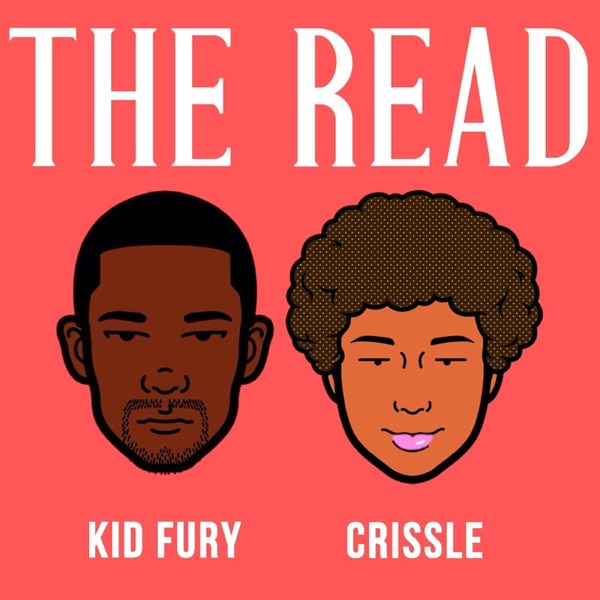
The Read
#9
Black Pop Culture

The Read

Hosted by Kid Fury and Crissle

Kid Fury and Crissle's The Read covers Black pop culture, entertainment news, and the intersection of race and celebrity with the perspective and authority that the subject requires but mainstream pop culture coverage rarely provides.

Why listen as a creator

The Read demonstrates that pop culture podcasting that centers Black cultural experience produces different and more accurate analysis of American popular culture than pop culture coverage that treats Black culture as a subset. The hosts' analysis of the music industry, celebrity behavior, and media coverage from the inside of the culture rather than adjacent to it produces insights that outside observation misses.

Vulture TV Podcast
#10
Television and Streaming

Vulture TV Podcast

Hosted by Vulture staff

New York Magazine's Vulture TV Podcast covers the current television and streaming landscape with the critical sophistication of one of American culture journalism's best outlets, producing television coverage that treats the medium with the seriousness it now warrants.

Why listen as a creator

Vulture TV demonstrates that legacy media outlets that apply their critical standards to podcasting produce content that stand-alone podcast operations struggle to match in cultural analysis depth. The institutional knowledge of television history, the access to showrunners and actors, and the critical framework developed over decades of television criticism is audible in how Vulture's journalists discuss individual shows.

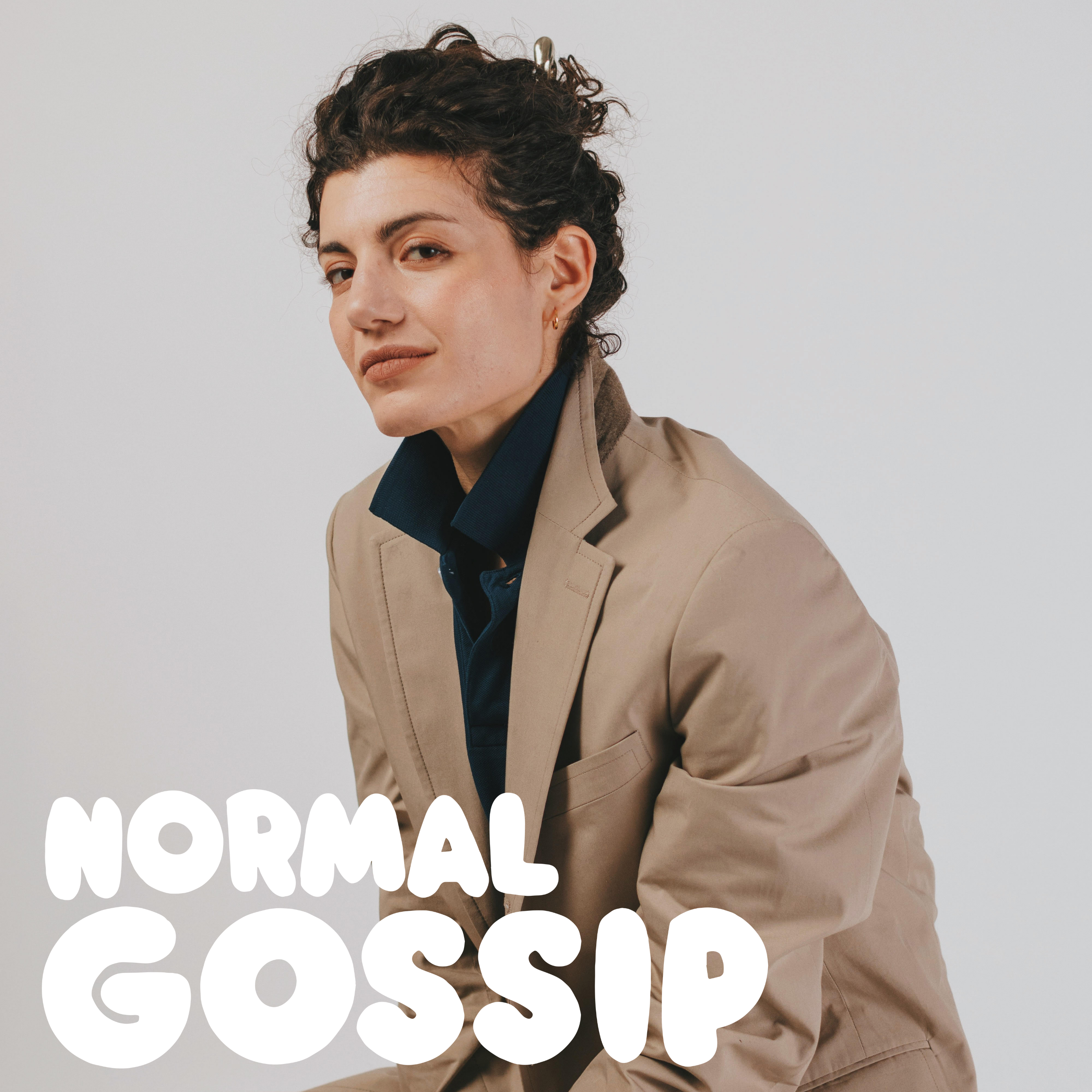
Normal Gossip
#11
Anonymous Celebrity Gossip

Normal Gossip

Hosted by Kelsey McKinney

Kelsey McKinney's Normal Gossip covers celebrity gossip with the twist that the celebrities involved are entirely anonymous — the show is about the gossip as a human and social phenomenon rather than about the specific people the gossip concerns.

Why listen as a creator

Normal Gossip demonstrates that the appeal of celebrity gossip is not fundamentally about celebrities but about the human patterns that gossip traces — status, betrayal, social norms, and the specific satisfaction of learning that someone got what they deserved or didn't. The anonymous format strips the content to those patterns and produces a more honest examination of why gossip is pleasurable than any celebrity-specific gossip podcast.

Binge Mode (The Ringer)
#12
Franchise Deep Dives

Binge Mode (The Ringer)

Hosted by Jason Concepcion and Mallory Rubin

Jason Concepcion and Mallory Rubin's Binge Mode covers major pop culture franchises — Game of Thrones, Harry Potter, Star Wars — with reference knowledge depth and genuine emotional investment that serves the fan audience at the level of their own engagement.

Why listen as a creator

Binge Mode demonstrates that franchise fandom podcasting is most useful when it meets the fan at their level of engagement rather than treating deep knowledge as excessive. Concepcion and Rubin's willingness to go as deep as the material allows — every detail, every callback, every production note — serves the listener who has already engaged with the franchise at that level and wants a conversation partner who has too.

Ready to start?

Record your first podcast with Hilite

Free tools, AI audio, one workflow.

Start free