Whodunit12 picksUpdated June 2025

Whodunit Podcasts That Keep the Suspect List Open Until the End

The mystery format in its purest form: a crime, a cast of suspects, and enough clues to theorize before the reveal. The shows that play fair and still surprise you.

The whodunit is the most demanding form of mystery because it makes a specific promise to the audience: all the information needed to identify the culprit is available before the revelation. A whodunit that withholds material information, that introduces the killer in the final act, or that resolves through coincidence rather than deduction has broken that promise. The best whodunit podcasts keep it.

The shows here range from scripted fiction whodunits to true-crime podcasts structured as genuine mystery puzzles. What they share is that the listener can genuinely theorize before the resolution — that the clues are real, the suspects are developed, and the revelation produces the experience of 'I should have known' rather than 'there was no way to know.'

For creators, the whodunit format is a test of construction discipline. Plotting a mystery that is simultaneously surprising and inevitable — that hides the answer in plain sight without making it obvious — is one of the hardest things to do in any narrative medium. The shows that do it well in audio are worth studying for what they reveal about how mystery structure actually works.

How we chose these shows

  • Fair play construction that gives the listener genuine clues rather than withholding material information
  • A suspect pool that is developed enough that any suspect is plausibly guilty before the reveal
  • A resolution that is surprising and inevitable simultaneously — that recontextualizes known information rather than introducing new information
  • Stakes that make the identity of the culprit matter beyond abstract puzzle satisfaction
And Then There Were None (BBC Audio Drama)
#1
Agatha Christie Adaptation

And Then There Were None (BBC Audio Drama)

Hosted by BBC Radio 4

The BBC Radio 4 adaptation of Agatha Christie's And Then There Were None is the definitive audio whodunit, applying the most famous locked-room mystery to a format that heightens rather than diminishes the original's construction.

Why listen as a creator

And Then There Were None demonstrates that the audio drama adaptation of the greatest whodunit ever written produces a different and sometimes better experience than the novel because the absence of visual information makes the locked-room premise more claustrophobic. The listener's inability to check who is in the room — to flip back and verify — recreates the uncertainty of the characters themselves in a way that reading doesn't.
Slay the Princess (Audio Drama)
#2
Interactive Whodunit Fantasy

Slay the Princess (Audio Drama)

Hosted by Various audio drama producers

Audio drama whodunit content that uses the branching narrative structure of interactive fiction to create mystery experiences where different listener choices reveal different aspects of the same mystery.

Why listen as a creator

Interactive whodunit audio drama demonstrates that the genre's essential promise — that the listener can solve the mystery before the reveal — can be fulfilled more completely in interactive audio than in passive listening, because the choices the listener makes determine which clues they discover. The branching structure makes the listener an investigator rather than an observer, which is the whodunit fantasy made literal.

My Favorite Murder
#3
Comedy True Crime Whodunit

My Favorite Murder

Hosted by Karen Kilgariff and Georgia Hardstark

Karen Kilgariff and Georgia Hardstark's My Favorite Murder applies comedic commentary to true crime stories in a format that treats murder investigation as puzzle-solving rather than only tragedy.

Why listen as a creator

My Favorite Murder demonstrates that comedy true crime podcasting can honor both the comedy and the crime when the hosts' relationship to the material is warm rather than exploitative. The show's approach — treating true crime as a subject that intelligent, curious women care about passionately and have a right to discuss on their own terms — produced the community that made it the most successful true crime podcast in the medium's history.

Criminal
#4
Crime Story

Criminal

Hosted by Phoebe Judge

Phoebe Judge's Criminal covers stories about crime that include but are not limited to whodunits, with the narrative precision and emotional intelligence that has made it the most consistently excellent crime podcast regardless of subject.

Why listen as a creator

Criminal demonstrates that crime podcasting is most valuable when it treats crime as a subject of human complexity rather than only a puzzle to be solved. Judge's ability to find the specific human detail — the story inside the crime rather than only the crime itself — produces episodes that are satisfying as mystery and as human portrait simultaneously, which is the standard against which other crime podcasts are measured.

Dirty John
#5
True Crime Whodunit

Dirty John

Hosted by Christopher Goffard

Christopher Goffard's Dirty John is the true crime podcast most precisely structured as a whodunit, with the listener accumulating evidence about the nature of John Meehan while the victim in the story is prevented from seeing what the listener can see.

Why listen as a creator

Dirty John demonstrates that the true crime whodunit's most distinctive tension is not 'who did it' but 'why couldn't she see it' — the gap between the listener's knowledge and the victim's knowledge. The show's dramatic irony is more uncomfortable than mystery fiction's dramatic irony because the victim is real, the consequences are real, and the listener's frustration at being unable to intervene is part of the experience the show is designed to produce.

Bear Brook
#6
Cold Case Whodunit

Bear Brook

Hosted by New Hampshire Public Radio

Bear Brook follows the decades-long investigation into the identities of four murder victims found in New Hampshire, applying investigative journalism to a whodunit where the first mystery is who the victims are rather than who the killer is.

Why listen as a creator

Bear Brook demonstrates that the cold case whodunit podcast is most compelling when the identification of the victims is as meaningful as the identification of the killer. The show's central insight — that the victims' identities are themselves a mystery worth solving before the crime can be understood — produces a whodunit structure where the listener's engagement with the victims as people is the foundation for caring about the crime.

Your Own Backyard
#7
Missing Person Whodunit

Your Own Backyard

Hosted by Chris Lambert

Chris Lambert's Your Own Backyard investigates the 1996 disappearance of Kristin Smart with the listener-engagement model of a collaborative whodunit where tips from the audience have contributed to actual investigative developments.

Why listen as a creator

Your Own Backyard demonstrates that the audience-collaborative true crime whodunit produces a different kind of listener engagement than passive true crime listening. The show's tip line — which has received information that moved the investigation — makes the listener an actual participant in the whodunit rather than only an observer, which is both the ethical promise of investigative true crime and its most unusual formal feature.

Limetown
#8
Fiction Whodunit

Limetown

Hosted by Two-Up Productions

Limetown's fictional investigation into the disappearance of an entire town is structured as a whodunit where the mystery of what happened to the town gradually reveals itself through testimony and investigation.

Why listen as a creator

Limetown demonstrates that fiction whodunit podcasting is most satisfying when the mystery's revelation changes the listener's understanding of every episode heard before it — when the clues were present but their significance was not yet clear. The show's final revelation recontextualizes the entire investigation in a way that rewards listeners who theorized throughout and satisfies listeners who didn't.

Dr. Death
#9
Medical Whodunit

Dr. Death

Hosted by Wondery

Dr. Death investigates the story of a neurosurgeon who maimed and killed patients for years before being stopped, with the whodunit question being not who did it but why the medical system allowed it to continue.

Why listen as a creator

Dr. Death demonstrates that the institutional whodunit — where the mystery is how something terrible persisted rather than who did it — is the most socially useful form of true crime podcasting. The show's investigation of why Christopher Duntsch's patients were harmed for years while the medical establishment knew produces genuine insight into institutional failure that audience entertainment alone doesn't justify.

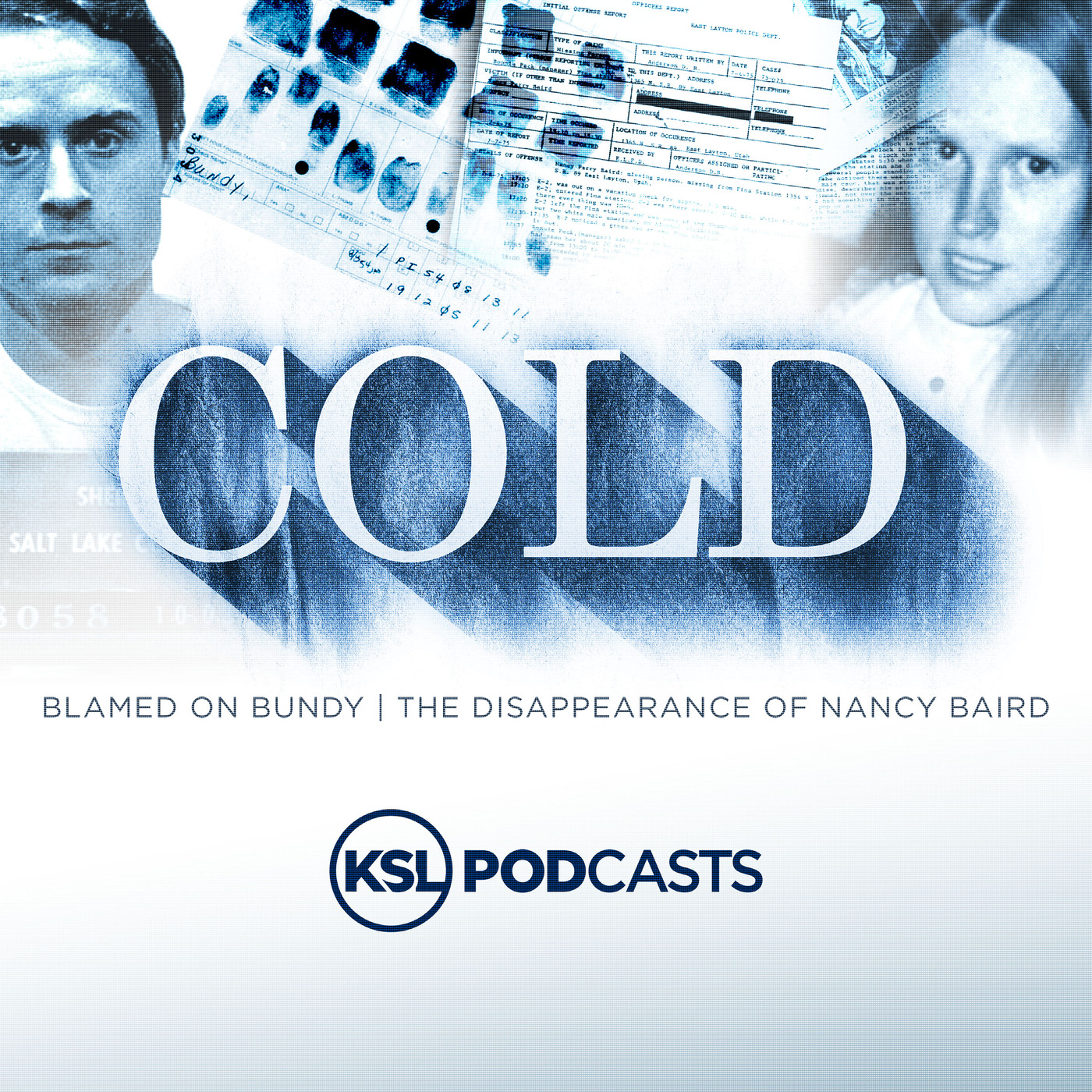
Cold
#10
Cold Case Investigation

Cold

Hosted by Dave Cawley

Dave Cawley's Cold investigates the 1985 disappearance of Susan Powell through obsessive research that has produced the most comprehensive publicly available account of the case, with new information in nearly every episode.

Why listen as a creator

Cold demonstrates that the single-case true crime whodunit podcast is most valuable when the host's research has produced genuinely new information rather than only retelling what is publicly known. Cawley's access to documents, sources, and evidence that previous coverage missed makes Cold a whodunit that adds to the factual record rather than only organizing existing information for entertainment.

Casefile True Crime
#11
International True Crime

Casefile True Crime

Hosted by Anonymous host

Casefile True Crime covers international crime cases with the research depth and neutrality of a host who presents the facts and lets the listener reach conclusions, producing whodunit content that respects the audience's ability to reason.

Why listen as a creator

Casefile demonstrates that the anonymous host true crime whodunit is a distinctive format that serves listeners who want the information without the host's interpretive layer. The show's commitment to presenting facts clearly and letting the listener's own reasoning produce the conclusions is a formal choice that treats the audience as capable investigators rather than as passive consumers of a pre-packaged verdict.

Someone Knows Something
#12
Cold Case Collaboration

Someone Knows Something

Hosted by David Ridgen

David Ridgen's CBC documentary series works directly with families of victims of unsolved crimes to reinvestigate the cases with the resources of public radio journalism, producing whodunit content that has contributed to actual case resolutions.

Why listen as a creator

Someone Knows Something demonstrates that the collaborative true crime whodunit — where the podcast's production is itself part of the investigation — is the most ethically serious form of the genre. Ridgen's commitment to working with families rather than about them, and the show's record of producing new leads in cold cases, makes it the standard against which investigative true crime's social value is measured.

Ready to start?

Record your first podcast with Hilite

Free tools, AI audio, one workflow.

Start free